The Places in Transylvania That Inspired the Legends of Dracula
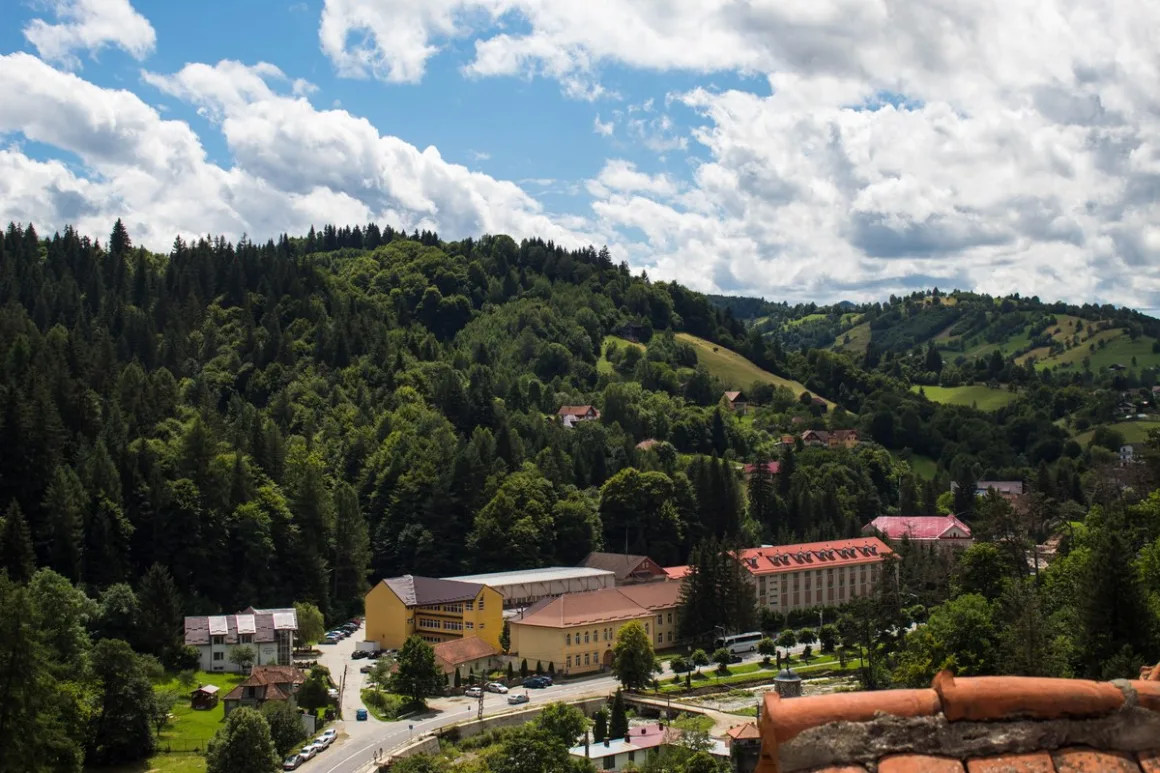
Transylvania is one of Europe’s most fascinating destinations, where medieval castles, fortified villages, and mysterious landscapes create an atmosphere filled with history and legend. The region became internationally famous through Bram Stoker’s novel Dracula, but its real heritage extends far beyond the fictional vampire. For travelers searching for a Dracula village experience, Transylvania offers historic settlements, impressive fortresses, and locations connected to Vlad the Impaler, the historical figure associated with the Dracula legend.
Bran Village and the Famous Dracula Castle
Bran is one of the most recognizable destinations associated with Dracula tourism. Located near Brașov, this picturesque village is home to Bran Castle, a medieval fortress that attracts visitors from around the world.
Perched on a rocky hill, the castle features narrow staircases, historic rooms, and impressive views of the surrounding mountains. Its dramatic appearance has helped establish its popular reputation as Dracula’s Castle.
Although there is no historical evidence that Bran Castle directly inspired Bram Stoker’s fictional residence, its architecture and atmosphere make it a memorable destination.
Beyond the castle, Bran village offers traditional restaurants, local markets, and beautiful mountain scenery, providing visitors with an opportunity to discover authentic Transylvanian culture.
Sighișoara – The Birthplace of Vlad the Impaler
Sighișoara is one of the most important locations connected to the historical Dracula legend.
This beautifully preserved medieval town is recognized as a UNESCO World Heritage Site and is traditionally considered the birthplace of Vlad the Impaler, the fifteenth-century ruler of Wallachia.
Visitors can explore cobblestone streets, colorful historic buildings, defensive towers, and the famous Clock Tower.
One of the town’s best-known attractions is Vlad Dracul House, associated with Vlad’s father and traditionally identified as the place where the future ruler was born.
Unlike the supernatural character created by Bram Stoker, Vlad the Impaler was a real historical figure whose reputation developed through political conflicts, warfare, and accounts of severe punishments.
Exploring Sighișoara allows travelers to understand the historical background behind the famous legend.
The Medieval Villages of Transylvania
While Bran and Sighișoara attract considerable attention, the surrounding countryside offers another perspective on the region.
Traditional Transylvanian villages are known for their fortified churches, historic houses, and landscapes shaped by centuries of rural life.
Places such as Viscri and Biertan preserve important elements of the region’s Saxon heritage.
Their peaceful streets, traditional architecture, and historic churches create an atmosphere that feels remarkably different from modern urban destinations.
Although these villages are not directly associated with the fictional Count Dracula, they offer an authentic setting for travelers interested in the medieval culture that helped shape Transylvania’s mysterious reputation.
For visitors imagining a Dracula village surrounded by historic buildings and picturesque landscapes, these settlements provide a memorable cultural experience.
Brașov and the Medieval Atmosphere of Transylvania
Brașov is another essential destination for travelers exploring the Dracula legend.
Located near the Carpathian Mountains, the city combines medieval architecture with a lively historic center.
Council Square, the Black Church, and the remaining sections of the city’s defensive fortifications reveal the importance of Brașov during the medieval period.
The city also provides a convenient starting point for exploring Bran Castle and nearby villages.
Walking through Brașov’s historic streets offers visitors an opportunity to discover the commercial and cultural history of Transylvania while enjoying its distinctive atmosphere.
Understanding the Difference Between History and Legend
One of the most interesting aspects of Dracula tourism is discovering how historical events became part of a fictional story.
Bram Stoker published Dracula in 1897, creating a vampire character whose name became inseparable from Transylvania.
However, the fictional Count Dracula and Vlad the Impaler are not the same person. While the novel drew on regional associations and the Dracula name, its supernatural story belongs to literature rather than documented history.
Understanding this distinction makes visiting Transylvania even more interesting, allowing travelers to appreciate both its real heritage and its internationally famous mythology.
Explore Dracula’s Transylvania with Click2Travel
For travelers interested in discovering Romania’s medieval heritage, Click2Travel provides a starting point for exploring destinations associated with the Dracula legend.
From the spectacular architecture of Bran Castle to the historic streets of Sighișoara and the traditional villages of Transylvania, the region offers a fascinating combination of history, culture, and natural beauty.
A well-planned journey can include medieval fortresses, historic towns, local traditions, and scenic landscapes, creating a travel experience that goes beyond the familiar vampire story.
Whether you are searching for a Dracula village, exploring famous castles, or discovering authentic Romanian traditions, Transylvania offers remarkable places waiting to be explored.
Discover the history and atmosphere behind one of the world’s most famous legends with Click2Travel, and experience the real Transylvania beyond the pages of fiction.
Distribuie articolul
- Facebook(se deschide într-o fereastră nouă)
- X(se deschide într-o fereastră nouă)
- LinkedIn(se deschide într-o fereastră nouă)
- WhatsApp(se deschide într-o fereastră nouă)
- Pinterest(se deschide într-o fereastră nouă)
- Bluesky(se deschide într-o fereastră nouă)
- Threads(se deschide într-o fereastră nouă)
- ChatGPT(se deschide într-o fereastră nouă)
- Claude(se deschide într-o fereastră nouă)
- Perplexity(se deschide într-o fereastră nouă)
Diverse